

 Apply Internship
 Contact Us


 Back to All Blogs
 21-01-2026
Sensor-Based Technology with AI: Applications, Benefits & Career Opportunities
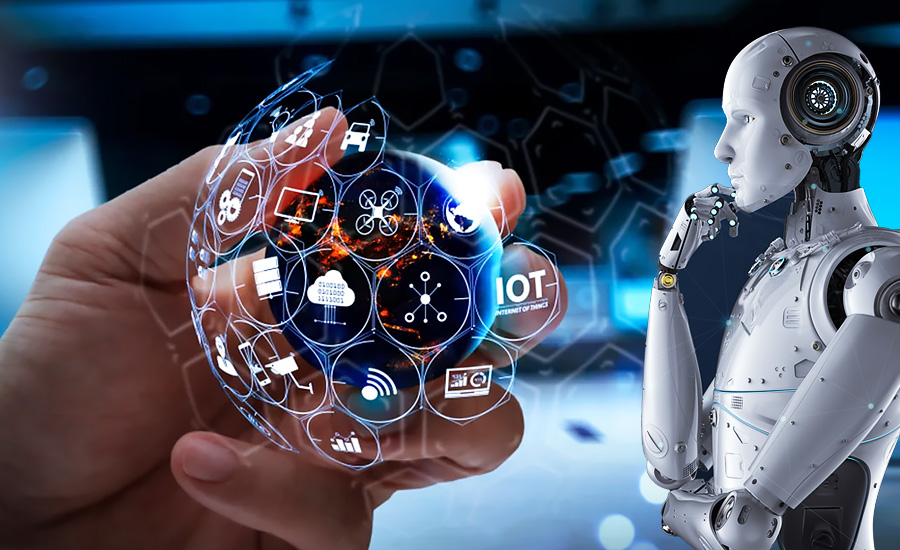
Sensor-based technology has become a critical foundation for modern innovations such as Artificial Intelligence (AI), the Internet of Things (IoT), smart devices, and automation systems. From healthcare and agriculture to smart cities and industrial automation, sensors play a vital role in collecting real-world data and enabling intelligent decision-making.
This blog explores sensor-based systems, their applications, benefits, and why learning sensor technology combined with AI is a powerful career move for students and aspiring professionals.
What Is Sensor-Based Technology?
Sensor-based technology refers to systems that use electronic sensors to detect physical or environmental conditions and convert them into digital data. This data is processed using software platforms, cloud services, or AI models to generate insights, trigger alerts, or automate actions.
Sensors commonly measure parameters such as:
- Temperature and humidity
- Motion and pressure
- Light intensity
- Gas and air quality
- Biomedical signals
These measurements form the backbone of intelligent, connected, and automated systems.
Types of Sensors Used in Modern Systems
Understanding different sensor types is essential for building real-world applications. Each sensor serves a specific purpose across industries.
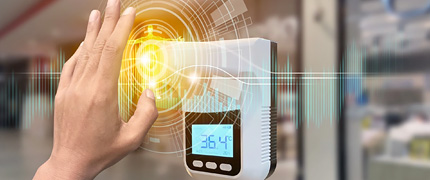
Temperature & Humidity Sensors
Used in weather monitoring, smart homes, and agricultural systems.
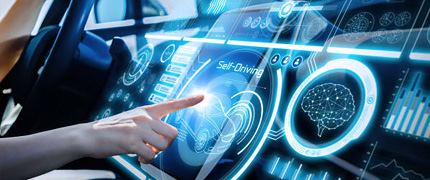
Motion & Proximity Sensors
Commonly applied in security systems, automation, and smart lighting.
Gas & Air Quality Sensors
Used for pollution monitoring, environmental analysis, and industrial safety.

Biomedical Sensors
Include heart rate, oxygen level, and body movement sensors used in healthcare and wearable devices.
Vision Sensors (Cameras)
Enable applications in surveillance, robotics, and autonomous systems.
Role of AI in Sensor-Based Systems
Sensors continuously generate large volumes of data. Artificial Intelligence and Machine Learning play a crucial role in transforming this raw data into meaningful insights and intelligent actions.
AI-powered sensor systems enable:
- Predictive maintenance using historical sensor data
- Real-time anomaly and fault detection
- Continuous monitoring and intelligent alerts
- Pattern recognition and forecasting
- Automated decision-making and control
This integration forms the foundation of smart and autonomous technologies.
Applications of Sensor-Based Technology
Sensor-based systems are widely adopted across industries due to their real-time capabilities and flexibility.
- Smart Homes & Smart CitiesSensors optimize energy usage, enhance security, manage traffic, and support public infrastructure.
- Smart AgricultureSensor-based solutions improve irrigation efficiency, monitor crop health, and increase yield.
- Healthcare & Wearable DevicesSensors enable continuous health monitoring and early detection of medical conditions.
- Industrial AutomationFactories rely on sensors for equipment monitoring, quality control, and AI-based predictive maintenance.
- Autonomous Vehicles & RoboticsMultiple sensors work together to support navigation, object detection, and safety systems.
Benefits of Learning Sensor-Based Technology
Learning sensor-based technology provides students with strong technical foundations and hands-on experience. Key benefits include:
- High demand across multiple industries
- Practical, real-world learning exposure
- Strong foundation in AI, IoT, and embedded systems
- Career flexibility across technology domains
- Opportunity to build impactful, industry-relevant projects
Sensor-Based Internship Opportunities
Sensor-based internships help students gain industry-oriented experience by working on real-time applications and live projects.
Internships typically focus on:
- Sensor interfacing and data collection
- Embedded systems fundamentals
- AI and data analytics on sensor data
- Cloud integration and web dashboards
- Real-time monitoring applications
Popular project areas include smart environmental monitoring systems, AI-based fault detection, healthcare monitoring dashboards, and predictive analytics solutions.
Career Opportunities in Sensor-Based Technology
With sensor-based skills, students can pursue roles such as:
- IoT Developer
- Embedded Systems Engineer
- Data Analyst (Sensor Data)
- AI Automation Engineer
- Smart Systems Architect
These roles are increasingly in demand as industries rapidly adopt Industry 4.0 and intelligent automation.
Future Scope of Sensor-Based Systems
The future of sensor technology is moving toward smarter and more efficient systems, including:
- AI-powered edge computing
- Low-power and intelligent sensors
- Advanced sensor fusion techniques
- Real-time analytics and automation
- Integration with digital twins
Sensor-based intelligence will continue to play a central role in technological innovation.
Conclusion
Sensor-based technology combined with AI is transforming how digital systems interact with the physical world. For students, learning sensors goes beyond hardware—it is about building intelligent, data-driven solutions that solve real-world problems.
With the right training and hands-on experience, sensor-based skills can unlock exciting career opportunities in today’s smart and connected world.

