

 Apply Internship
 Contact Us


 Back to All Blogs
 22-06-2026
Future Skills for Students (2026–2030): Top AI and Career Skills for Future Jobs
The future workplace is evolving rapidly. Artificial Intelligence (AI), automation, cloud computing, data analytics, and digital transformation are creating new opportunities while changing traditional job roles. According to global workforce studies, many of the jobs that students will hold in 2030 either do not exist today or will require significantly different skills than those demanded by employers today.
As technology continues to reshape industries, Students must develop future-ready skills that combine technical expertise with human-centered competencies through AI-powered internships and project-based learning opportunities. Understanding these future skills for students is essential for building successful careers in the coming decade. Understanding these future skills for students is essential for building successful careers in the coming decade.
In this article, we explore the top skills needed in 2030 and how students can prepare for the future of work.
Why Future Skills Matter More Than Ever
Organizations worldwide are adopting AI-powered solutions, automation platforms, and data-driven decision-making systems. Employers are increasingly looking for graduates who can adapt to technological change and contribute effectively in digital environments.
Future-ready professionals will need to:
- Work alongside AI systems
- Analyze and interpret data
- Communicate effectively
- Solve complex problems
- Continuously learn new technologies
Students who invest in these skills today will be better positioned for high-demand careers tomorrow.
1. Artificial Intelligence (AI) Literacy
Why AI Skills Matter
Artificial Intelligence is transforming industries including healthcare, finance, education, retail, logistics, manufacturing, and marketing.
Students who understand AI fundamentals gain a competitive advantage in the job market. Participating in a Data Science & Analytics with AI Internship Program can help students gain practical exposure to AI tools, machine learning, and analytics.
Key AI Skills for Students
- Prompt Engineering
- Generative AI Tools
- Machine Learning Basics
- AI Ethics
- AI-Assisted Productivity
- AI Automation
Career Opportunities
- AI Engineer
- AI Consultant
- Prompt Engineer
- Machine Learning Specialist
- AI Product Manager

2. Data Analytics and Data Literacy
Data is often called the "new oil" of the digital economy.
Organizations increasingly rely on data analytics to improve business performance and customer experiences.

Skills Students Should Learn
- Data Visualization
- Statistical Analysis
- Business Intelligence
- SQL
- Excel
- Power BI
- Python for Analytics
Career Opportunities
- Data Analyst
- Business Analyst
- Data Scientist
- Business Intelligence Specialist
Students who develop data analytics skills will remain highly employable across industries. Real-world experience gained through a Data Science Internship Program allows students to work with datasets, dashboards, and business intelligence tools.
3. Digital and Technology Skills
Students interested in software development careers can strengthen their technical foundation through an AI-Powered Full Stack Web Development Internship Program that combines programming, databases, web technologies, and AI tools.
Students should become comfortable using digital tools and understanding modern technology ecosystems.
Essential Technology Skills
- Cloud Computing
- Cybersecurity Awareness
- Mobile Applications
- Software Development Fundamentals
- Digital Collaboration Platforms
Digital skills for students are no longer optional—they are essential for career success.

With mobile devices driving digital transformation, students can explore modern app development through an AI-Powered Mobile App Development Internship Program.
4. Critical Thinking and Problem-Solving
While AI can automate repetitive tasks, human judgment remains irreplaceable
Employers consistently rank problem-solving among the most important workplace skills.

Students Should Develop
- Analytical Thinking
- Decision-Making
- Strategic Planning
- Logical Reasoning
- Research Skills
The future workforce will increasingly reward individuals who can solve complex challenges creatively.
5. Communication and Collaboration Skills
Technology alone cannot guarantee success.
Students must learn how to communicate ideas clearly and collaborate effectively with colleagues, clients, and stakeholders.
Important Communication Skills
- Public Speaking
- Business Writing
- Presentation Skills
- Teamwork
- Cross-Cultural Communication
Strong communication skills continue to be among the most sought-after professional competencies worldwide.

Digital communication and online marketing skills are increasingly valuable as businesses expand their online presence. Students interested in this field may benefit from an AI-Powered Digital Marketing & SEO Internship Program.
6. Adaptability and Lifelong Learning
The skills required by employers will continue evolving throughout a professional's career.
Students who embrace continuous learning will be better prepared for future opportunities.

Key Habits
- Curiosity
- Self-Learning
- Professional Certifications
- Online Learning
- Growth Mindset
The ability to learn quickly may become one of the most valuable skills needed in 2030.
7. Creativity and Innovation
AI can generate content and automate processes, but innovation remains a uniquely human capability.
Innovation Skills Include
- Design Thinking
- Creative Problem Solving
- Product Development
- Entrepreneurial Thinking
Employers increasingly seek individuals who can identify opportunities and develop innovative solutions.

8. Human-AI Collaboration
The future of work will involve humans and AI working together.
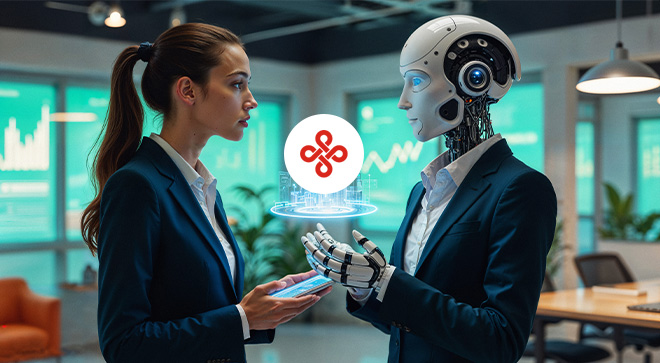
Students should learn how to:
- Use AI responsibly
- Validate AI-generated outputs
- Improve productivity with AI tools
- Automate routine activities
Professionals who effectively collaborate with AI will have a significant competitive advantage.
9. Emotional Intelligence and Leadership
As automation increases, human-centered skills become even more valuable.
Leadership Skills for Future Careers
- Empathy
- Relationship Building
- Conflict Resolution
- Team Leadership
- Emotional Intelligence
Organizations will continue to rely on people who can inspire, motivate, and lead teams.

10. Project-Based Learning and Industry Experience
Employers increasingly prioritize practical experience over theoretical knowledge alone.
Students should actively participate in industry-based internship programs, industry projects, hackathons, research activities, and professional networking to gain practical workplace experience.

- Internships
- Industry Projects
- Hackathons
- Research Activities
- Professional Networking
Real-world experience helps students develop confidence, technical skills, and workplace readiness.
Future Jobs Expected to Grow by 2030
As emerging technologies continue to evolve, demand is expected to increase for professionals in areas such as:
Future Career - Growth Potential
- AI Engineer - Very High
- Data Scientist - Very High
- Machine Learning Specialist - Very High
- Cybersecurity Analyst - High
- Cloud Architect - High
- AI Product Manager - High
- Business Intelligence Analyst - High
- Digital Marketing Analyst - High
- UX/UI Designer - High
- Automation Specialist - High
These careers represent some of the most promising opportunities in the future job market.
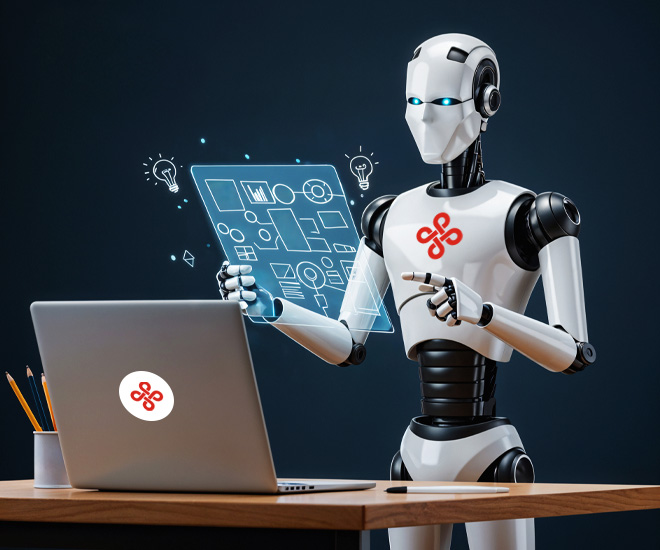
How Students Can Start Preparing Today
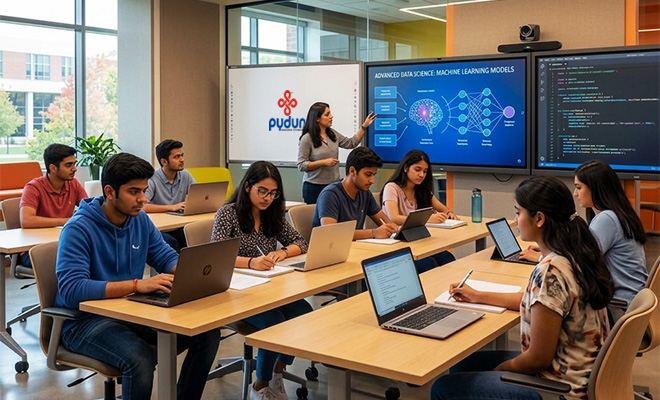
To build future-ready skills, students should:
- Learn AI fundamentals
- Develop data analytics skills
- Improve communication abilities
- Participate in internships
- Build real-world projects
- Create a professional portfolio
- Stay updated on emerging technologies
- Develop leadership and teamwork skills
The future belongs to individuals who continuously learn, adapt, and embrace technology. AI, automation, and digital transformation will continue reshaping industries between 2026 and 2030, creating exciting opportunities for students who prepare today.
By developing AI literacy, data analytics expertise, digital skills, critical thinking abilities, communication competencies, and leadership qualities, students can position themselves for success in the future workforce.
At Pydun Technology, we believe that practical learning, industry exposure, internships, and AI-powered education can help students acquire the future skills needed to thrive in tomorrow's careers.

